Products / Silicone Sealant
Zibo Changheng Co., Ltd.
Silicone Sealant
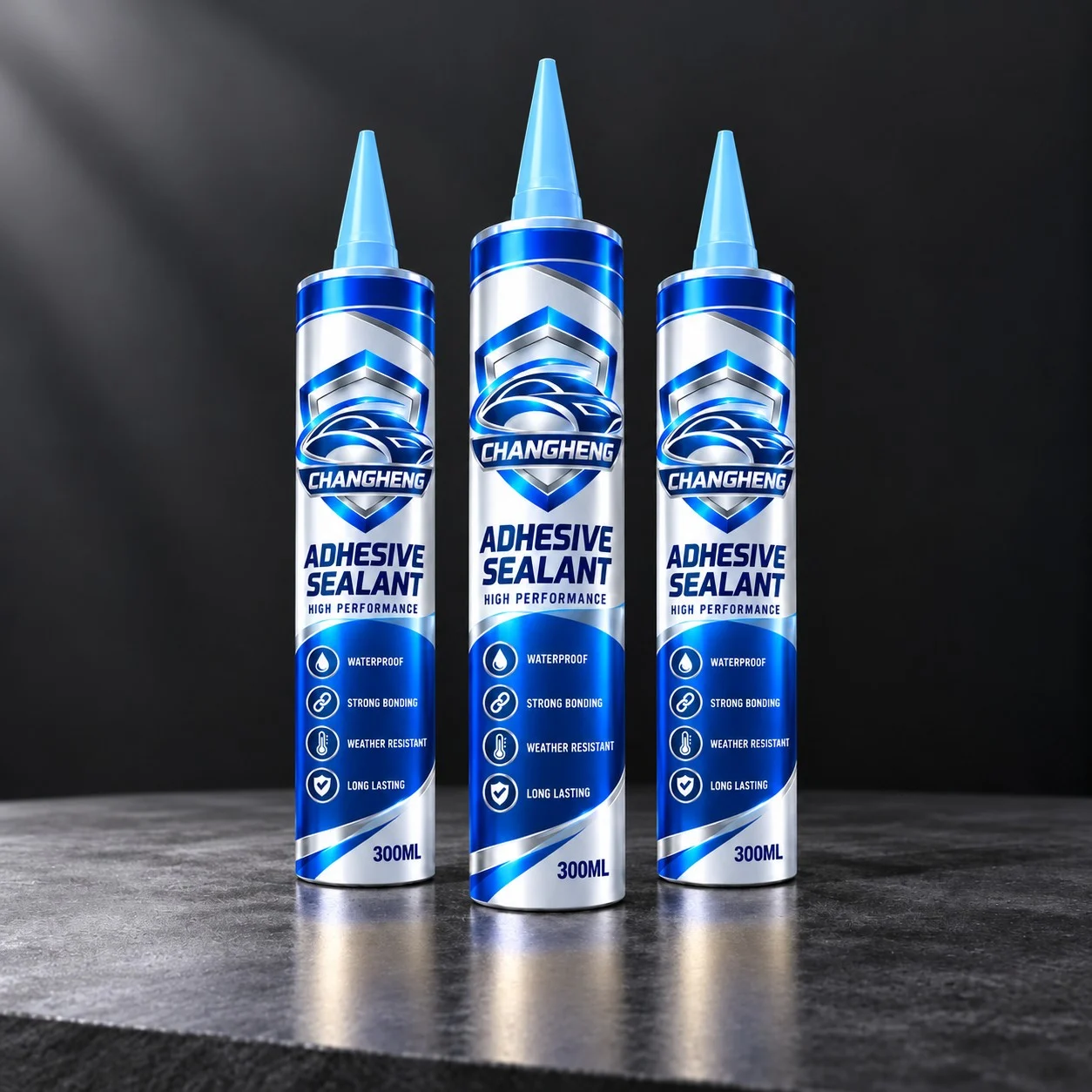
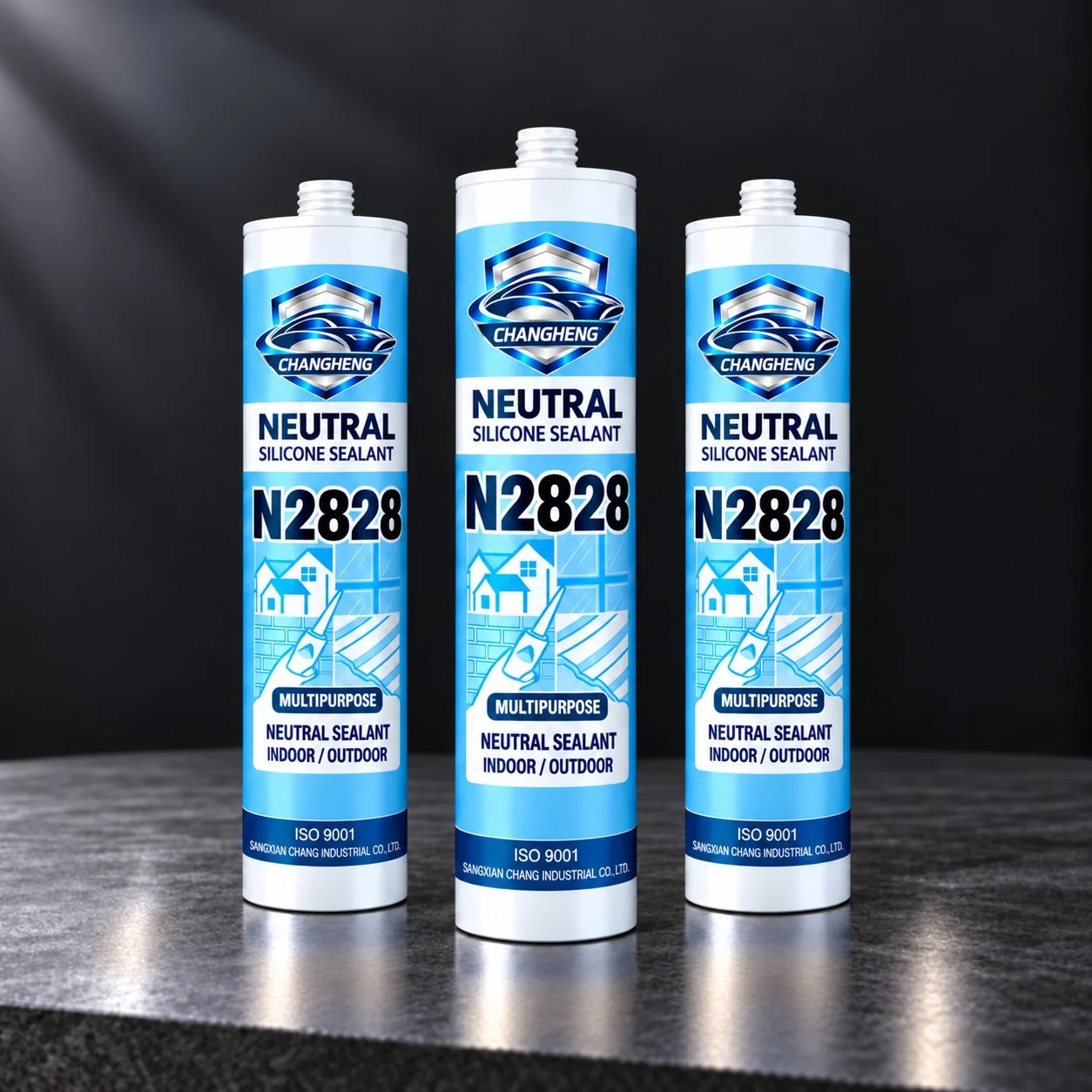
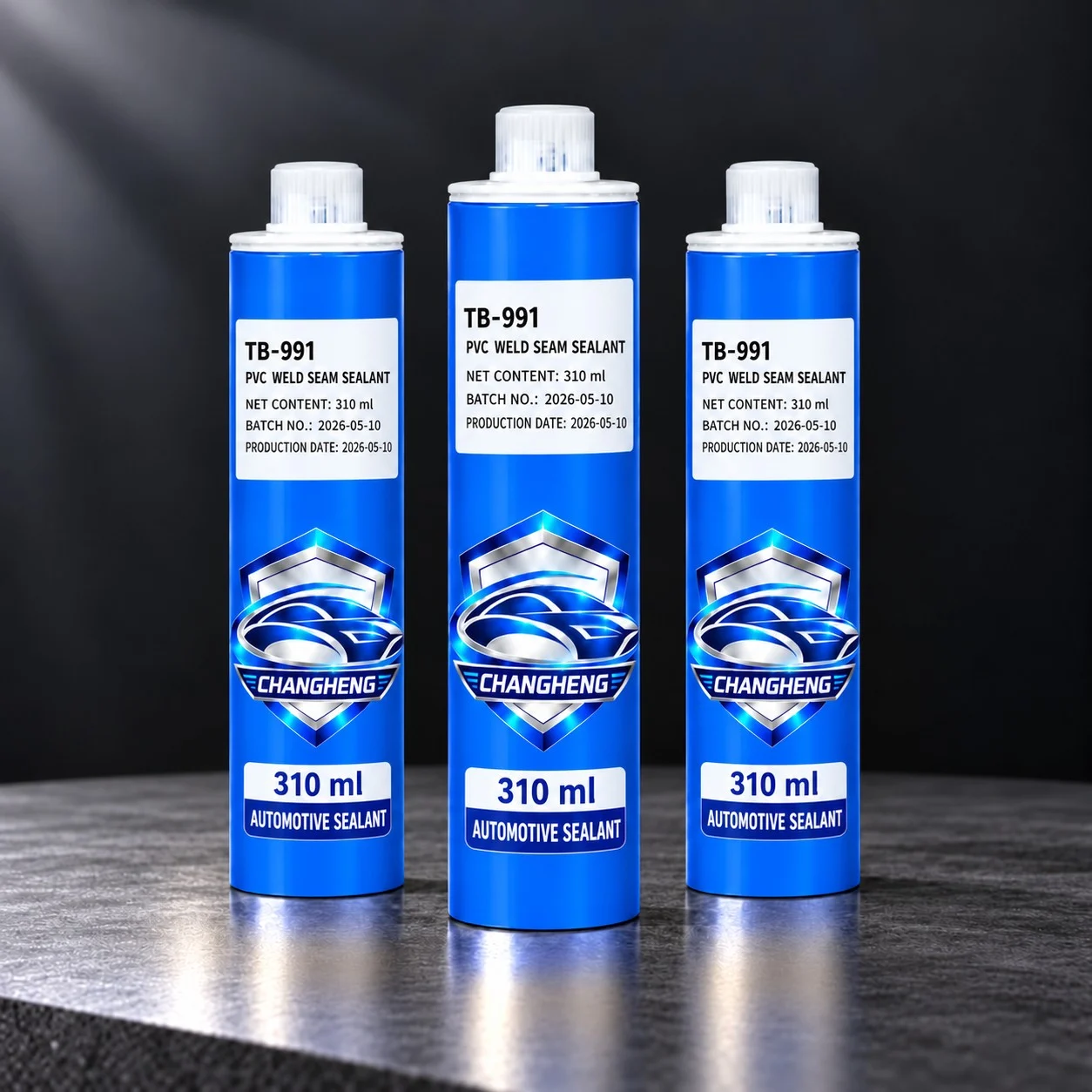
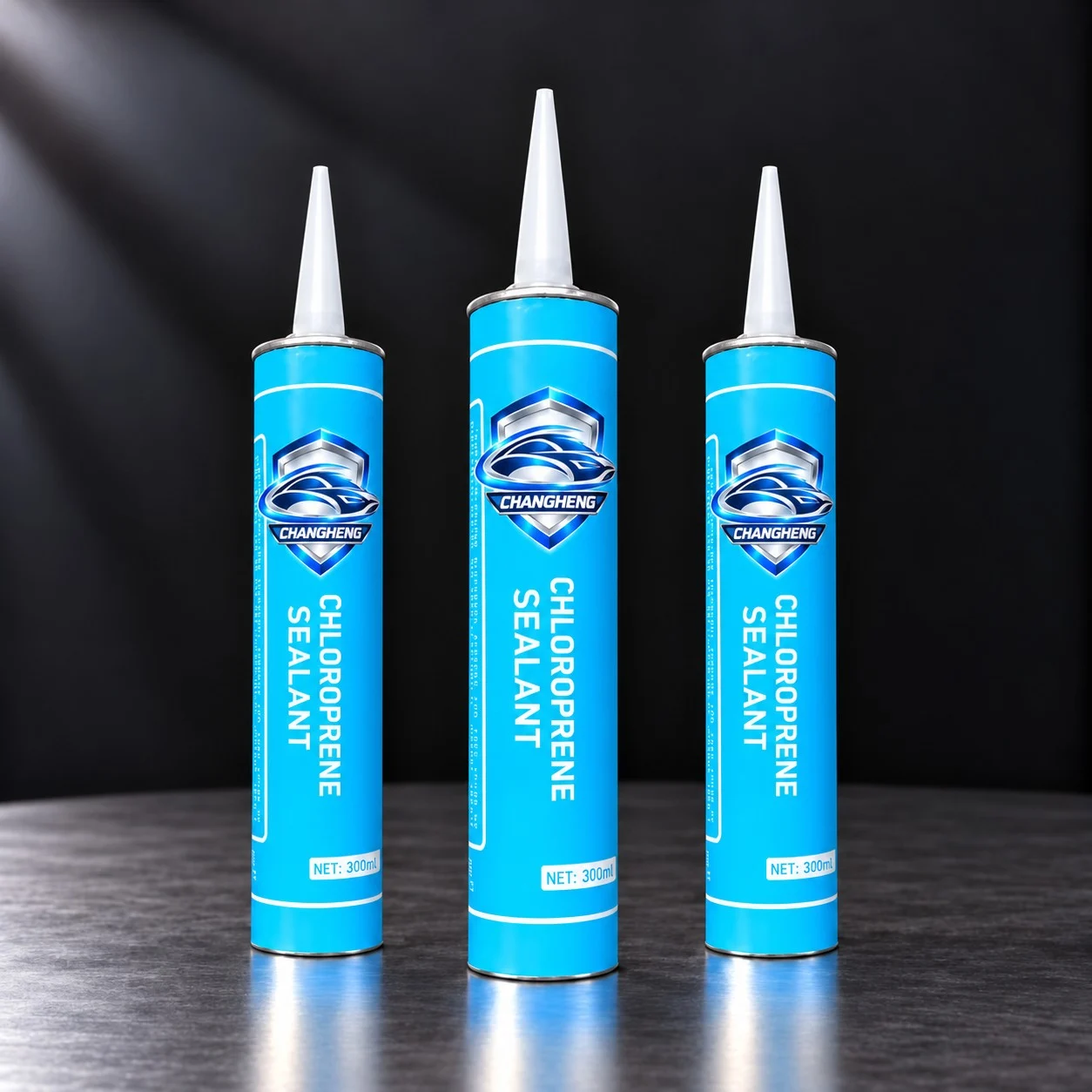
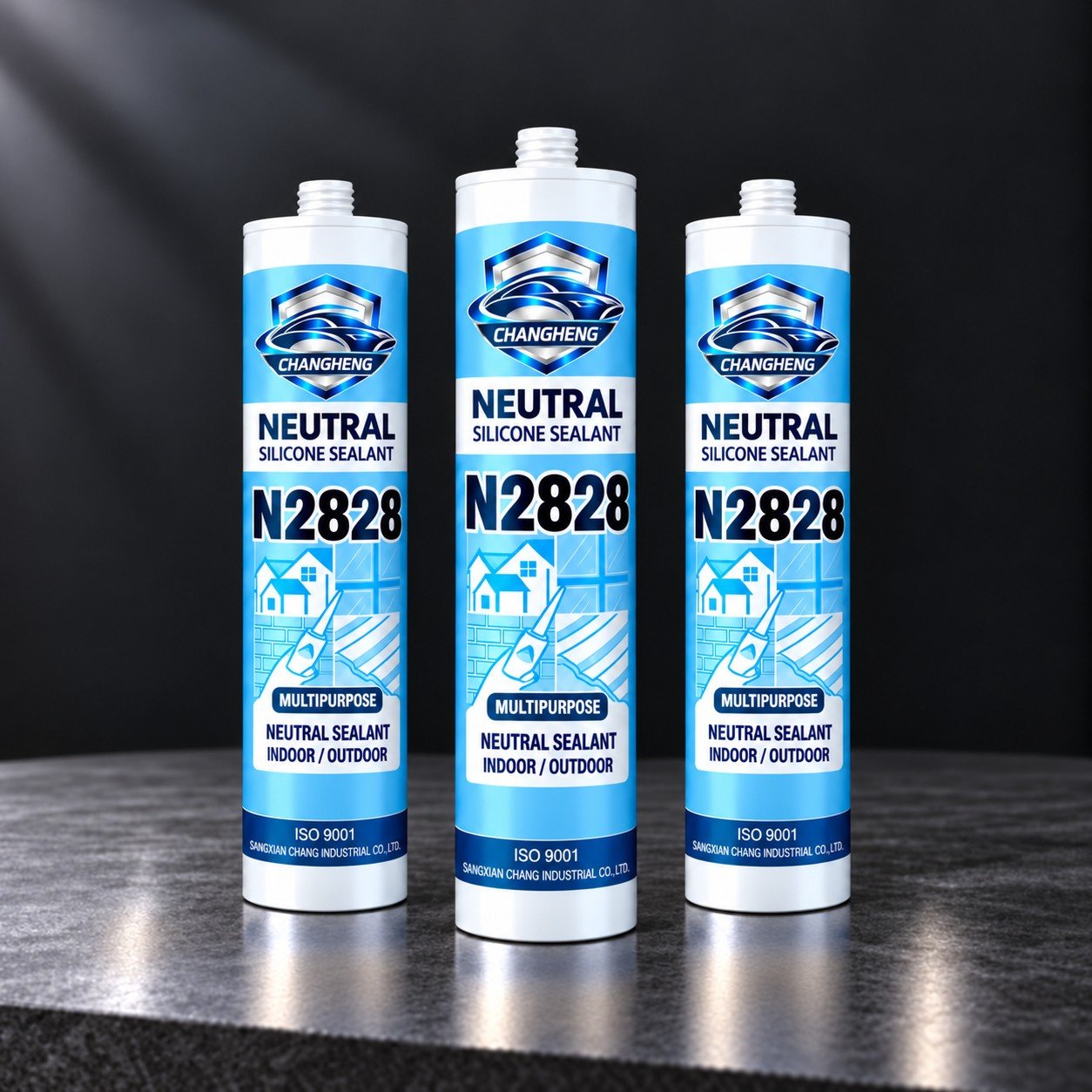
Our automotive silicone sealant is a high-performance RTV neutral silicone designed for engine gaskets, lamp sealing, general automotive waterproof and gap filling. It cures under room temperature, remains permanently flexible after curing, featuring excellent resistance to heat, oil, vibration, UV and weather aging. No corrosion to metal, safe for automotive electronic & sensor components.
Product overview
Neutral RTV silicone sealant cures at room temperature and remains flexible after curing. It is used for engine gasket making, lamp sealing, waterproofing and gap filling in automotive maintenance.
Key features
- Room-temperature curing
- Flexible cured seal
- Cartridge application
- Colour options can be discussed for the selected grade
Application areas
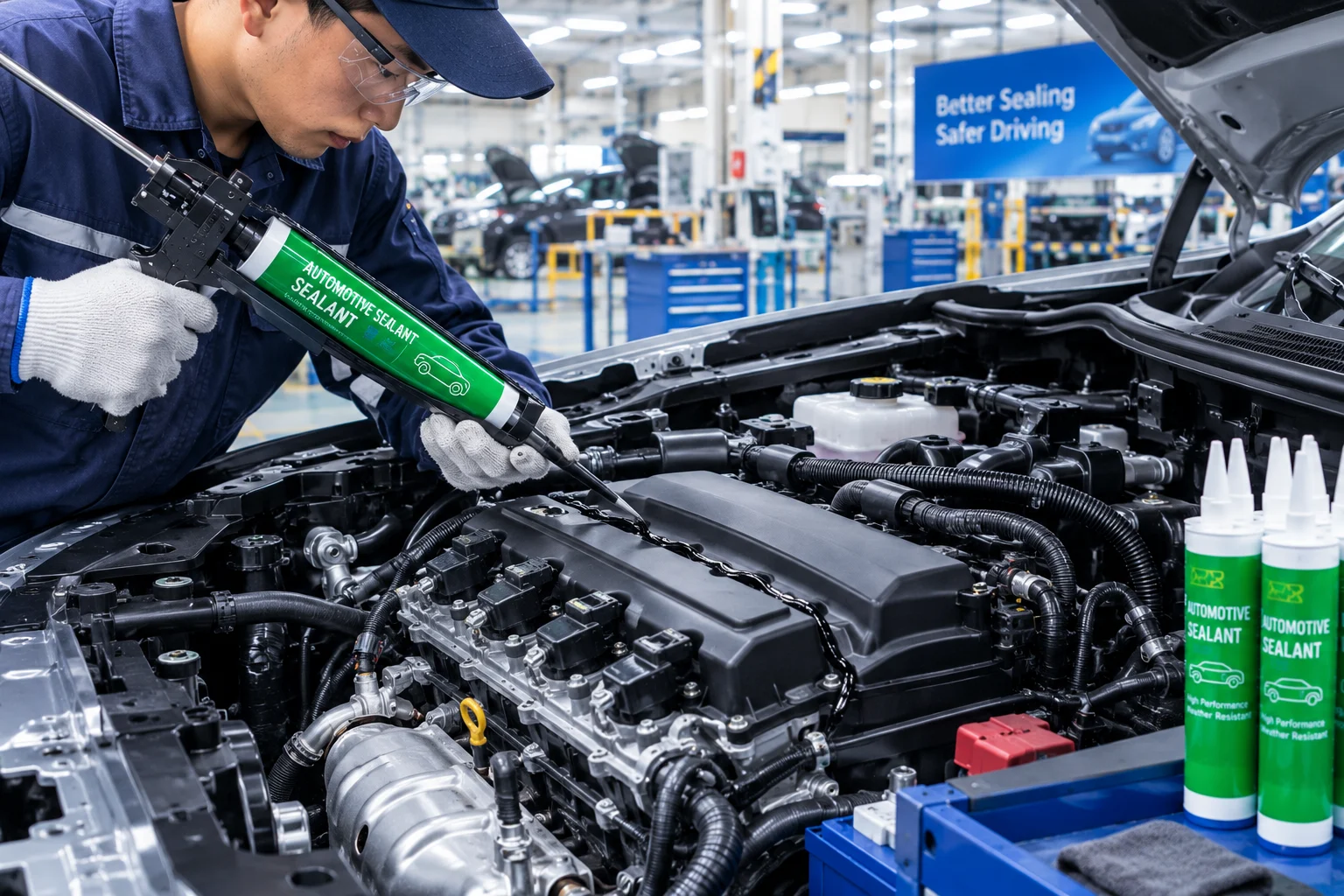
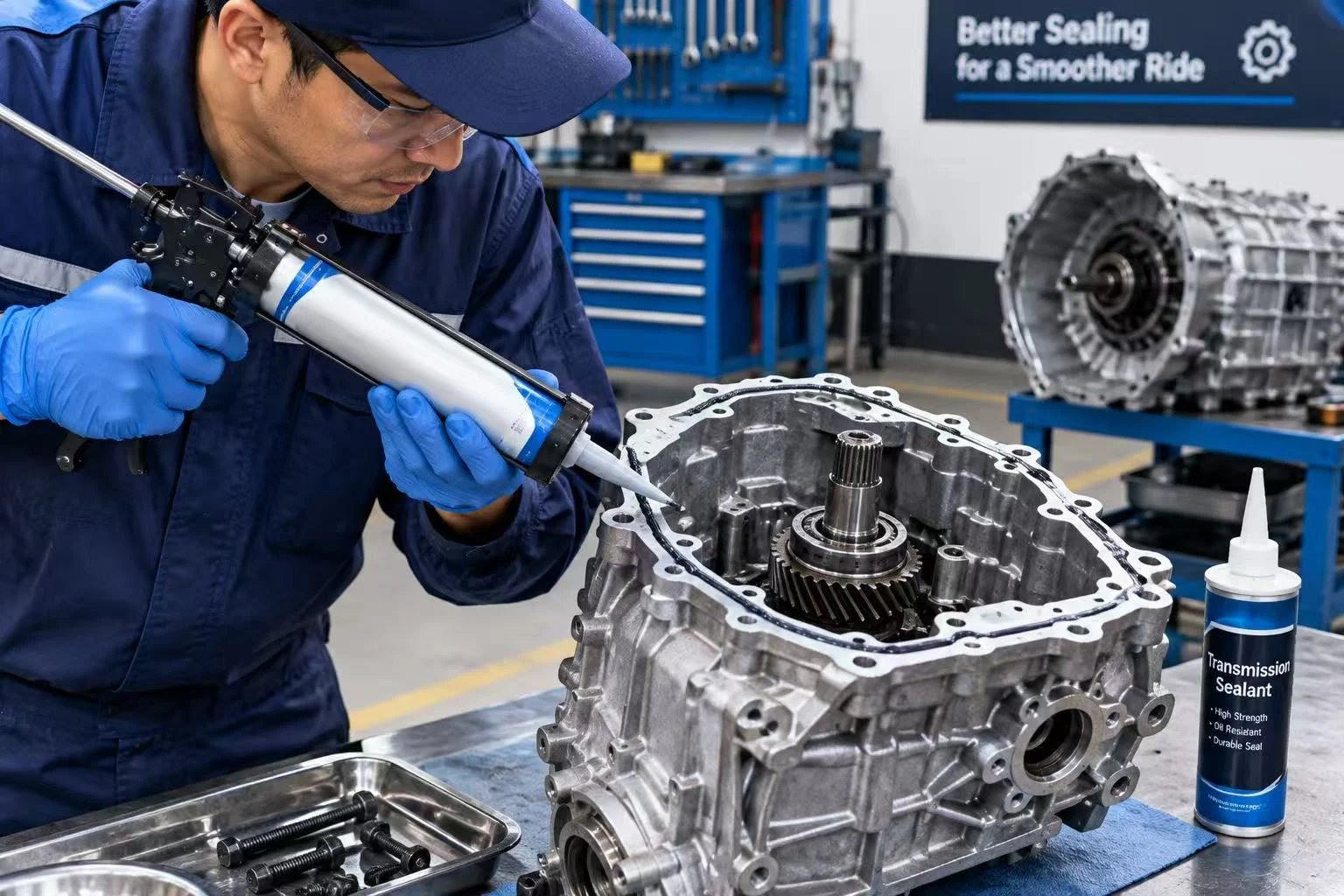
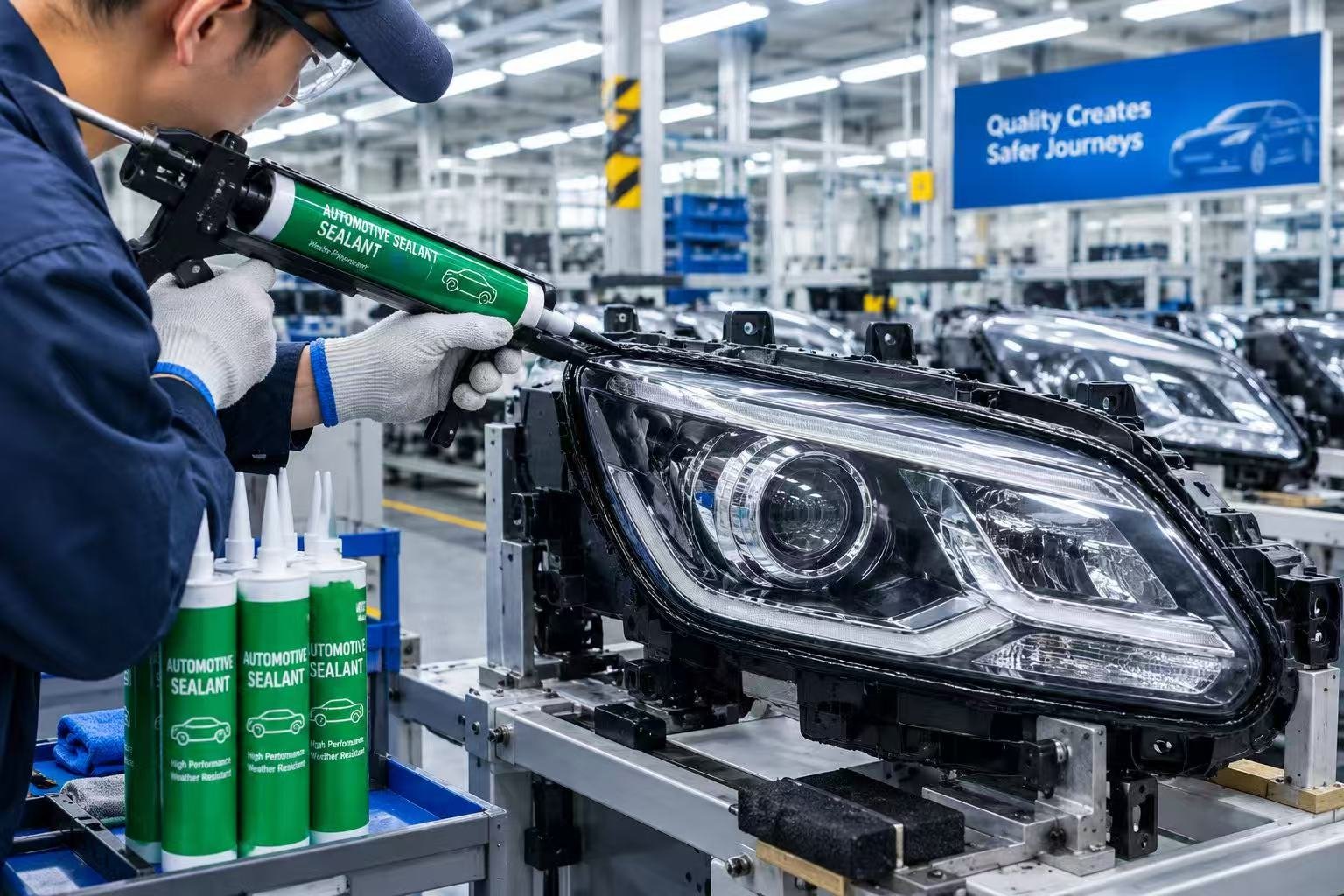
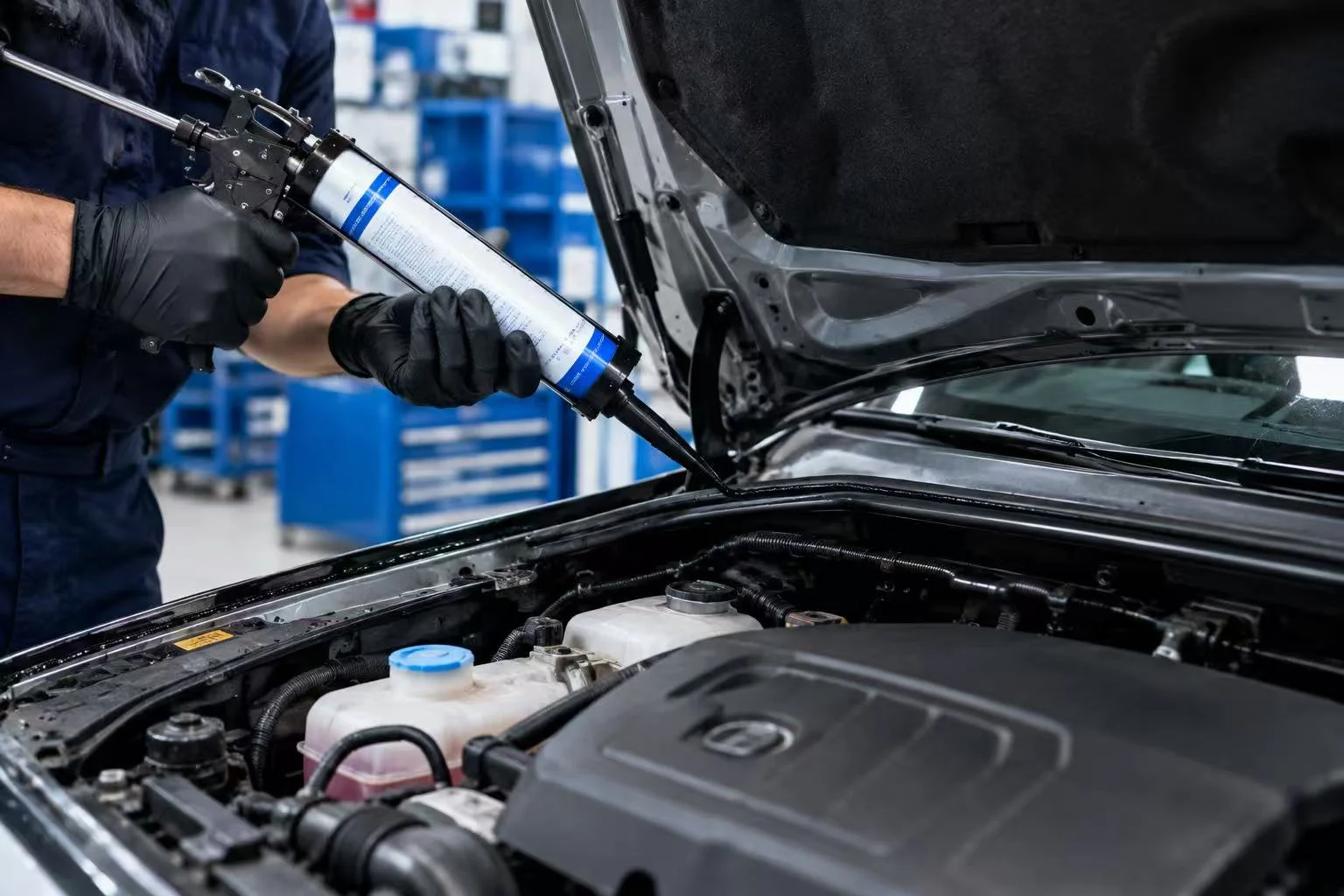
Explore silicone sealant applications for engine covers, gearbox sealing, lamp housings, automotive maintenance and gasket making.
Frequently asked questions
What is silicone sealant used for?
Silicone sealant provides flexible seals in joints exposed to moisture and movement. Suitable grades serve glass, metal and other assemblies. Automotive gasketing requires a grade approved for the operating conditions.
How long does silicone sealant take to cure?
Cure time depends on formulation, temperature, humidity and joint depth. A dry surface may conceal uncured material. Follow the selected grade’s instructions before water exposure, assembly loading or performance testing.
Can you paint over silicone sealant?
Most conventional silicone sealants do not accept ordinary paint reliably. Where an overpainted finish is needed, consider a compatible paintable sealant and test the complete coating system before use.
What surfaces does silicone sealant not stick to?
Polyethylene, polypropylene and PTFE can be difficult to bond. Oil, dust and weak coatings also interfere with adhesion. Test the actual substrate and confirm whether pretreatment or a primer is needed.
Can you apply new silicone sealant over old silicone?
For a dependable repair, remove failed sealant and residue before resealing. Fresh silicone may not adhere reliably to cured silicone. Clean and prepare the exposed substrate using the selected product’s instructions.