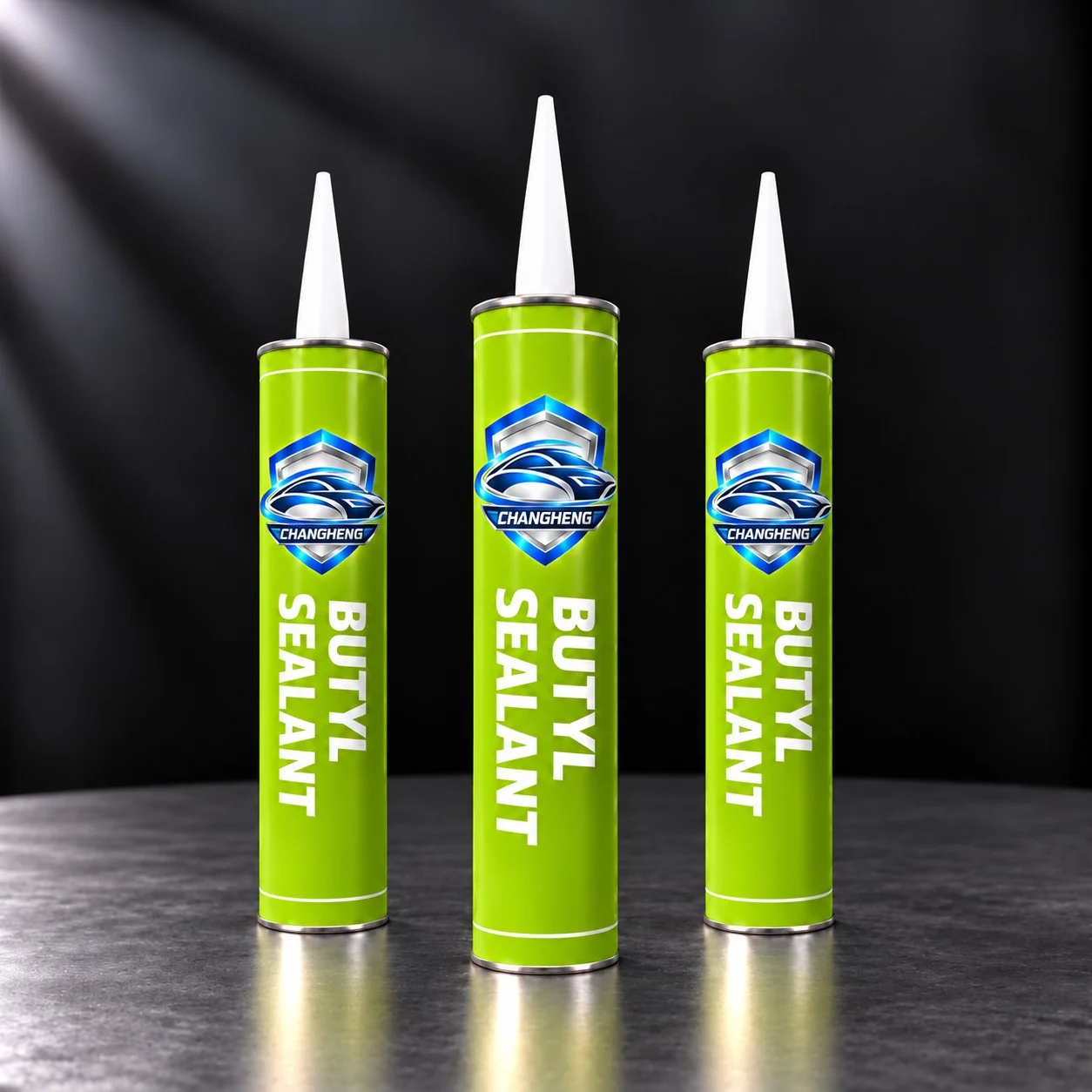
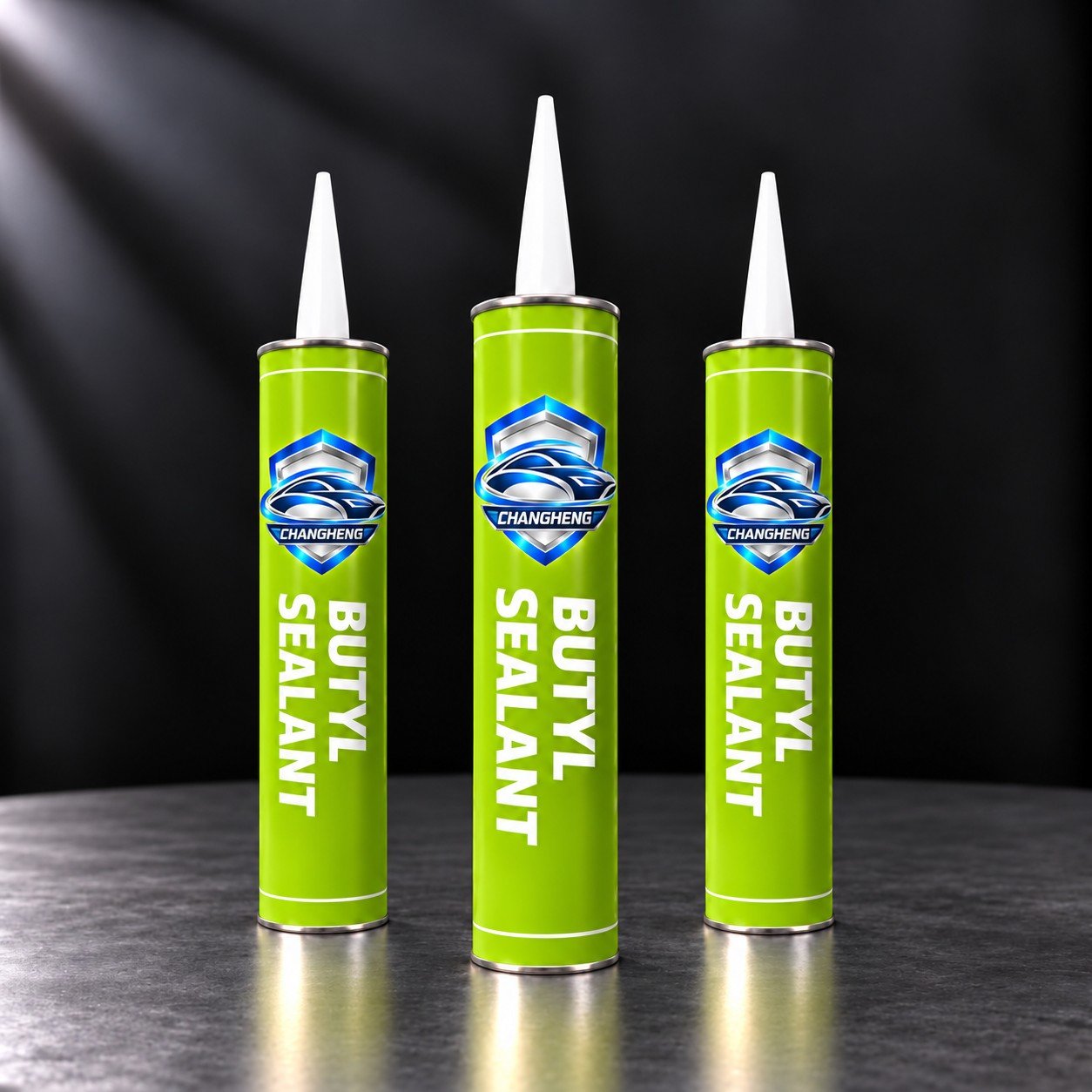
Products / Butyl Sealant
Zibo Changheng Co., Ltd.
Butyl Sealant
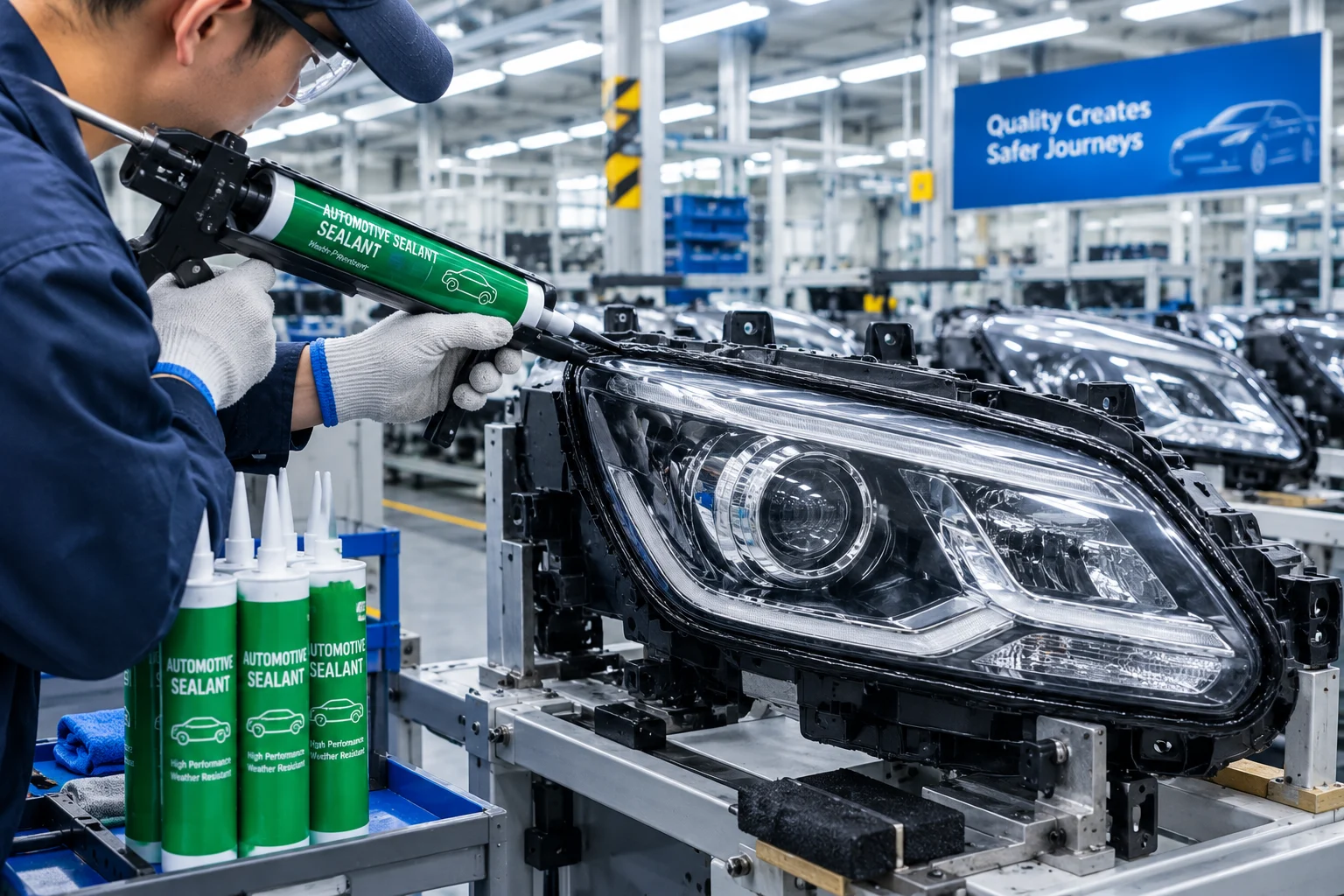
Butyl sealant / butyl rubber tape is a famous non-drying permanent sealing material. It will never fully harden after application, always keeps plastic flexibility. Excellent waterproof, air-tight and shock-absorbing performance. Very popular for car headlight retrofitting & repair (snake glue).
Product overview
Butyl sealant is a non-drying sealing material that retains plastic flexibility after application. Typical application areas include automotive headlight repair, glazing gaps and vehicle body waterproofing.
Key features
- Non-drying sealing material
- Retains plastic flexibility
- Used for gap sealing and waterproofing
- Application format selected for the joint
Application areas
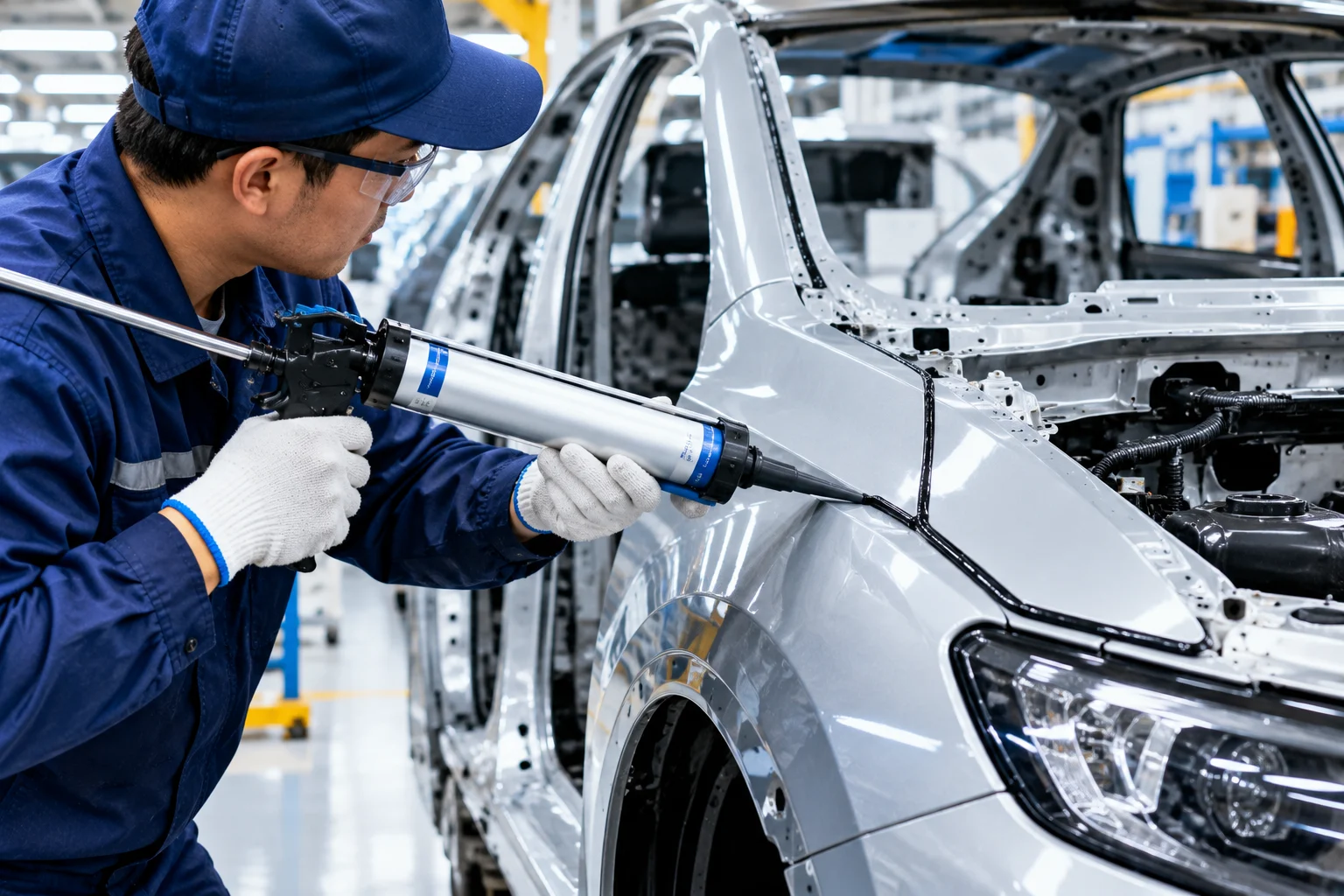
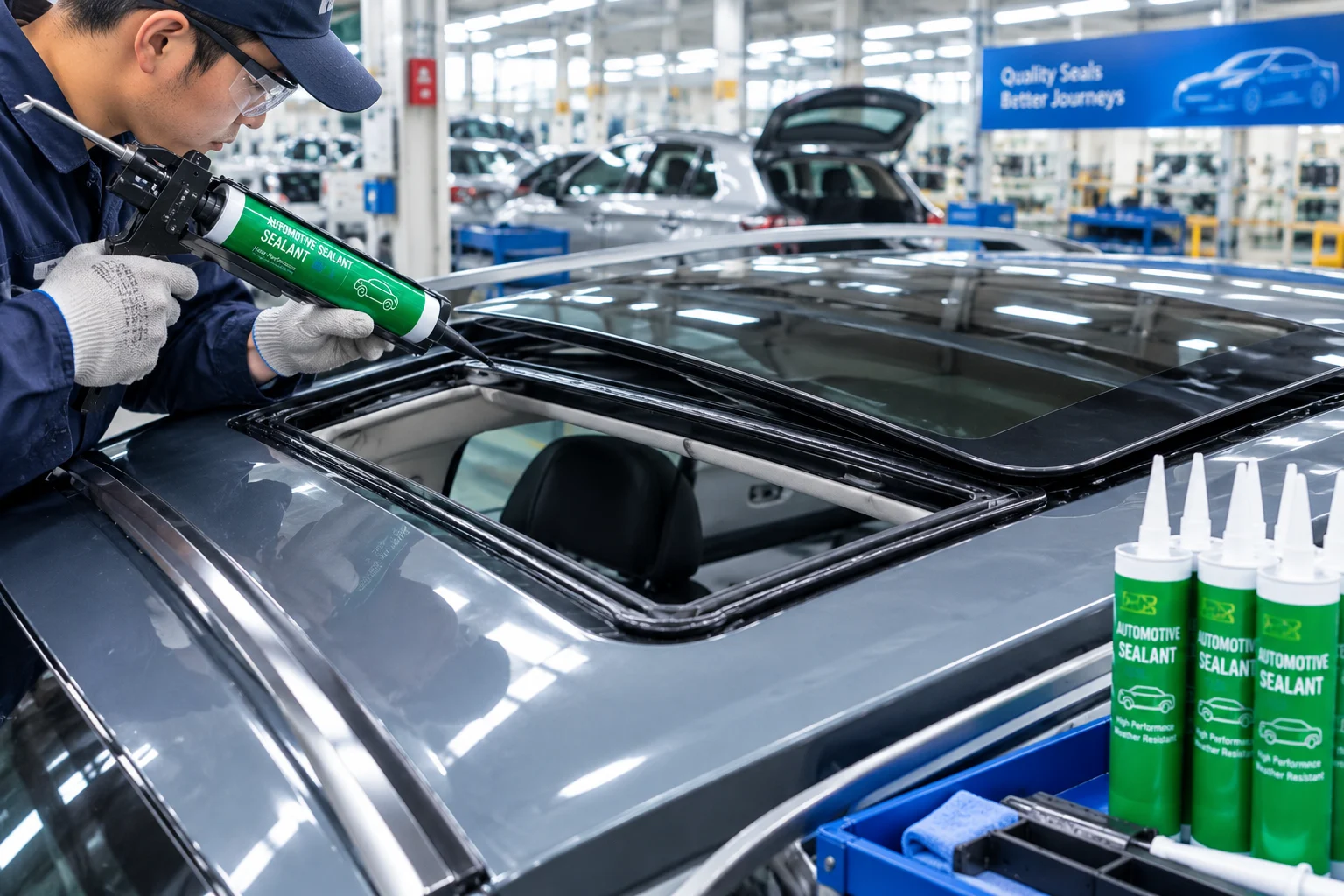
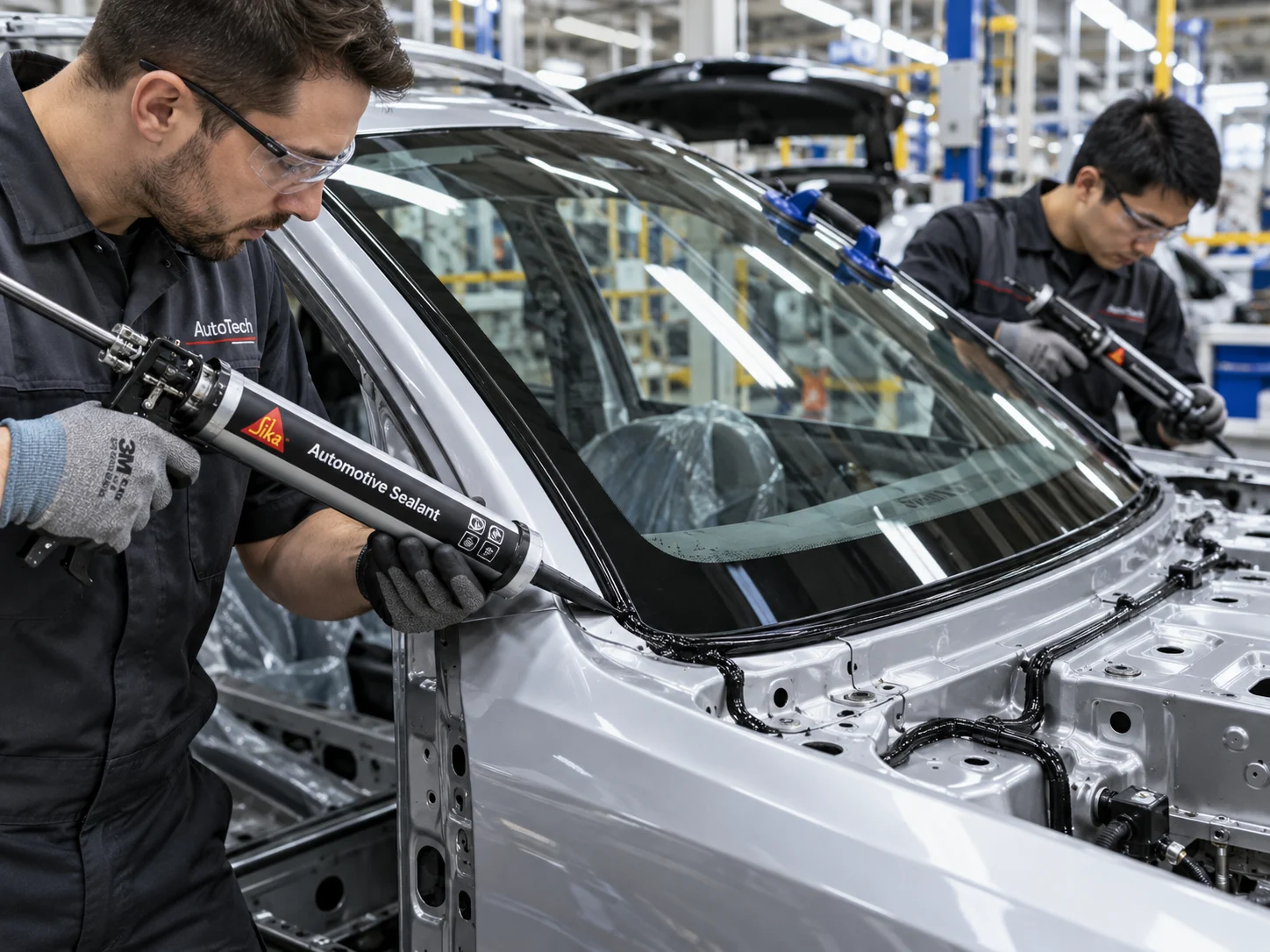
Explore butyl sealant applications for headlight sealing and repair, insulating glass and vehicle body sealing, skylight gaps and windshield edges.
Frequently asked questions
What is butyl sealant used for?
Butyl sealant is commonly selected for sealing lap joints and assembled components where a flexible seal is required. Suitability depends on the joint design, materials and exposure. Confirm the grade before use.
Does butyl sealant harden?
Non-curing butyl sealants stay plastic rather than forming a chemically cured rubber. Some grades skin or dry differently, so check the formulation. A soft finish alone is not evidence that a non-curing butyl seal has failed.
What is the difference between butyl sealant and silicone?
Non-curing butyl remains plastic, while conventional silicone cures into an elastic rubber. Butyl may suit compressed or serviceable joints; silicone may suit other exposed joints. Select by joint design rather than treating them as direct substitutes.
Can butyl sealant be used around vehicle windows?
A suitable butyl grade may seal certain mechanically retained assemblies. Do not assume it is suitable for bonded windscreens or structural glazing. Follow the vehicle or assembly specification for safety-critical glass installation.
How do you remove old butyl sealant?
Remove bulk material carefully without damaging the substrate. Some butyl grades allow residue to be dabbed away; others need a compatible cleaner. Test the cleaning method and remove contamination before applying replacement sealant.