Products / MS Polymer Sealant
Zibo Changheng Co., Ltd.
MS Polymer Sealant
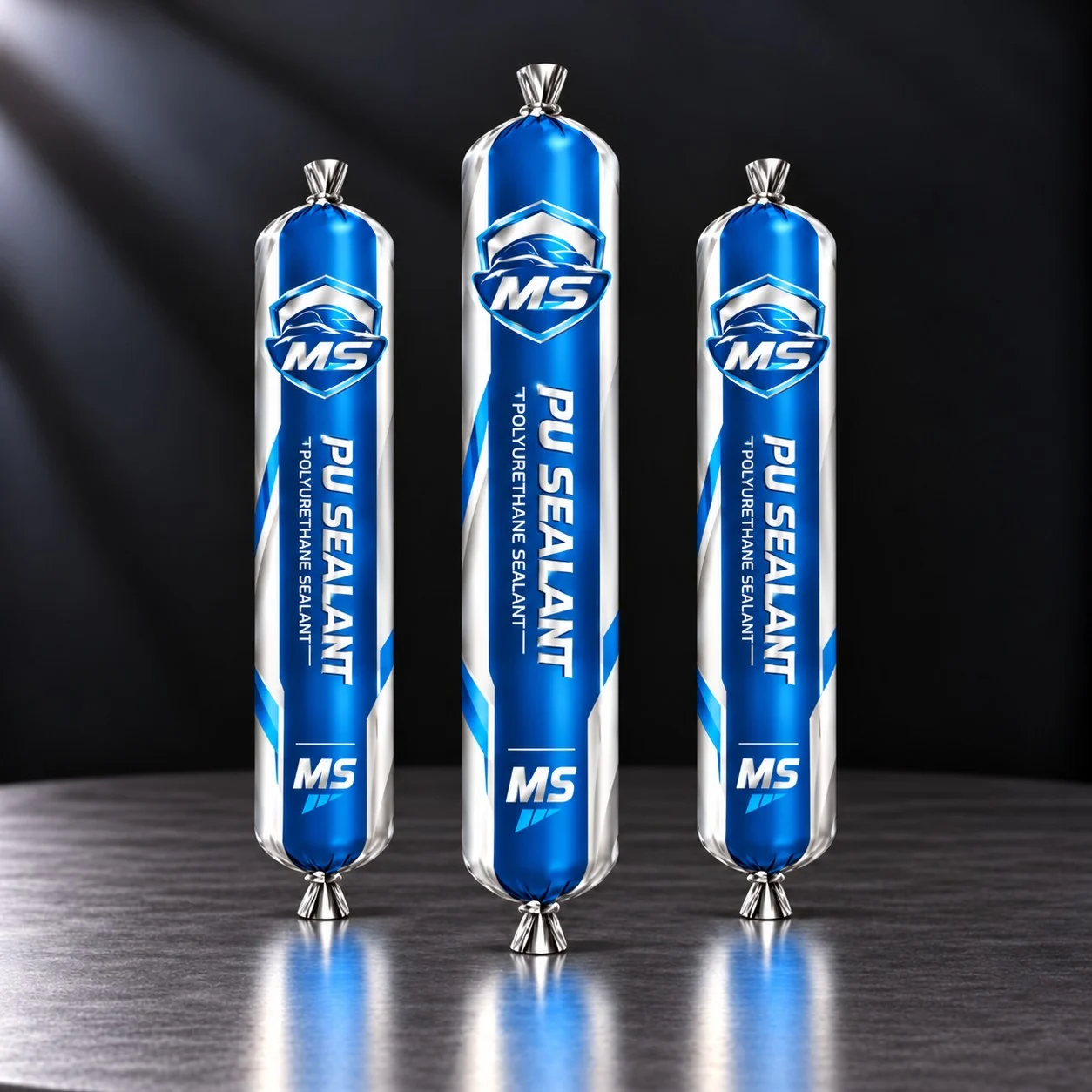
MS Polymer (Silyl Modified Polymer) sealant is the premium auto-body bonding & sealing solution, combining advantages of silicone and polyurethane. Silicone-free & Isocyanate-free, low VOC, eco-friendly. Outstanding primerless adhesion on painted metal, sheet metal, plastic and composite panels. The biggest highlight: fully paintable after skin formation, ideal for car body repair and truck compartment assembly.
Product overview
MS polymer sealant is a silyl-modified polymer material for automotive body bonding and sealing. Its paintable finish and flexible joint performance make it a practical option for body repair, panel bonding and compartment assembly.
Key features
- Paintable after skin formation
- Silicone-free formulation
- Flexible sealing for joints exposed to vibration
- Gap-filling for body seams and panel joints
Application areas
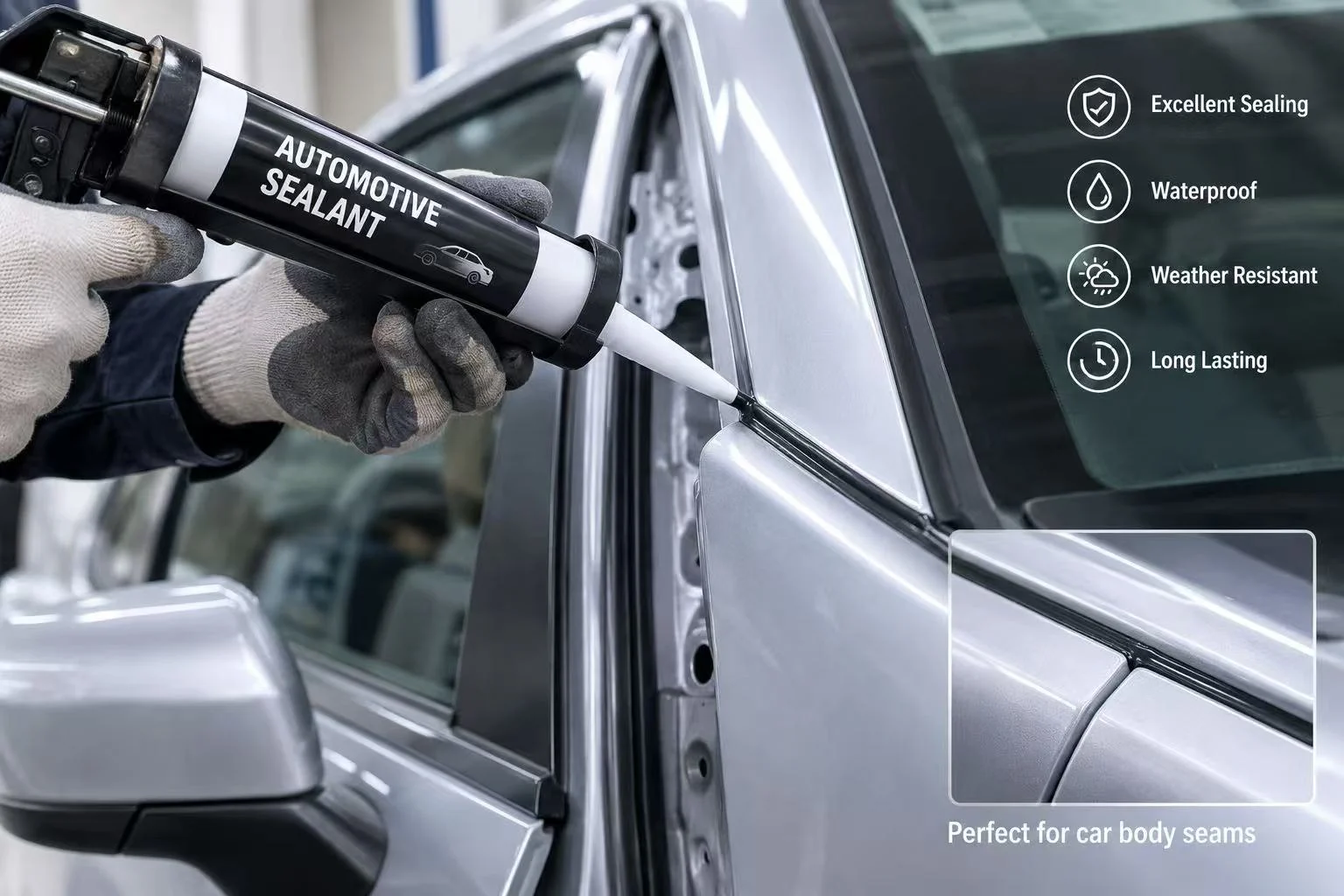
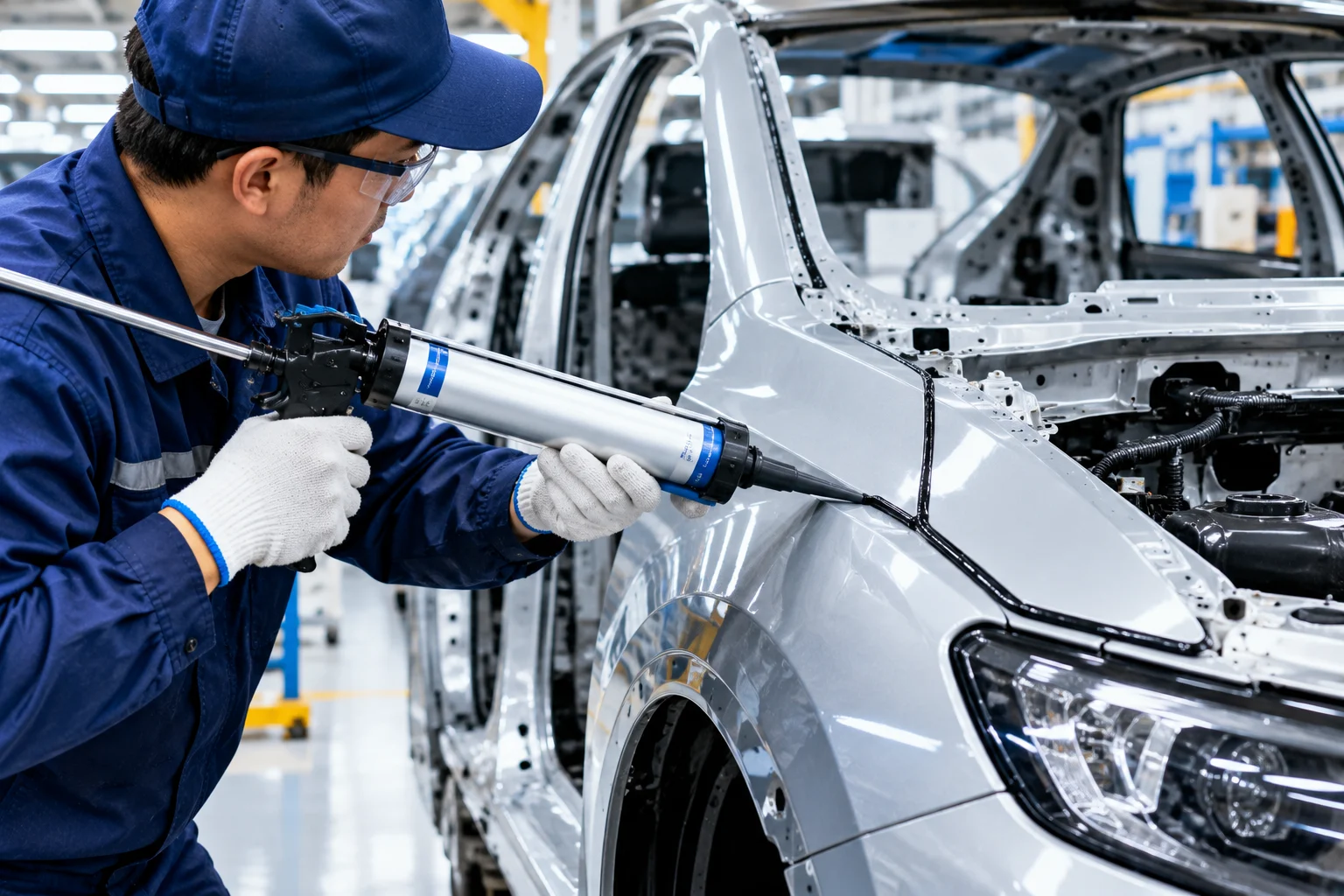
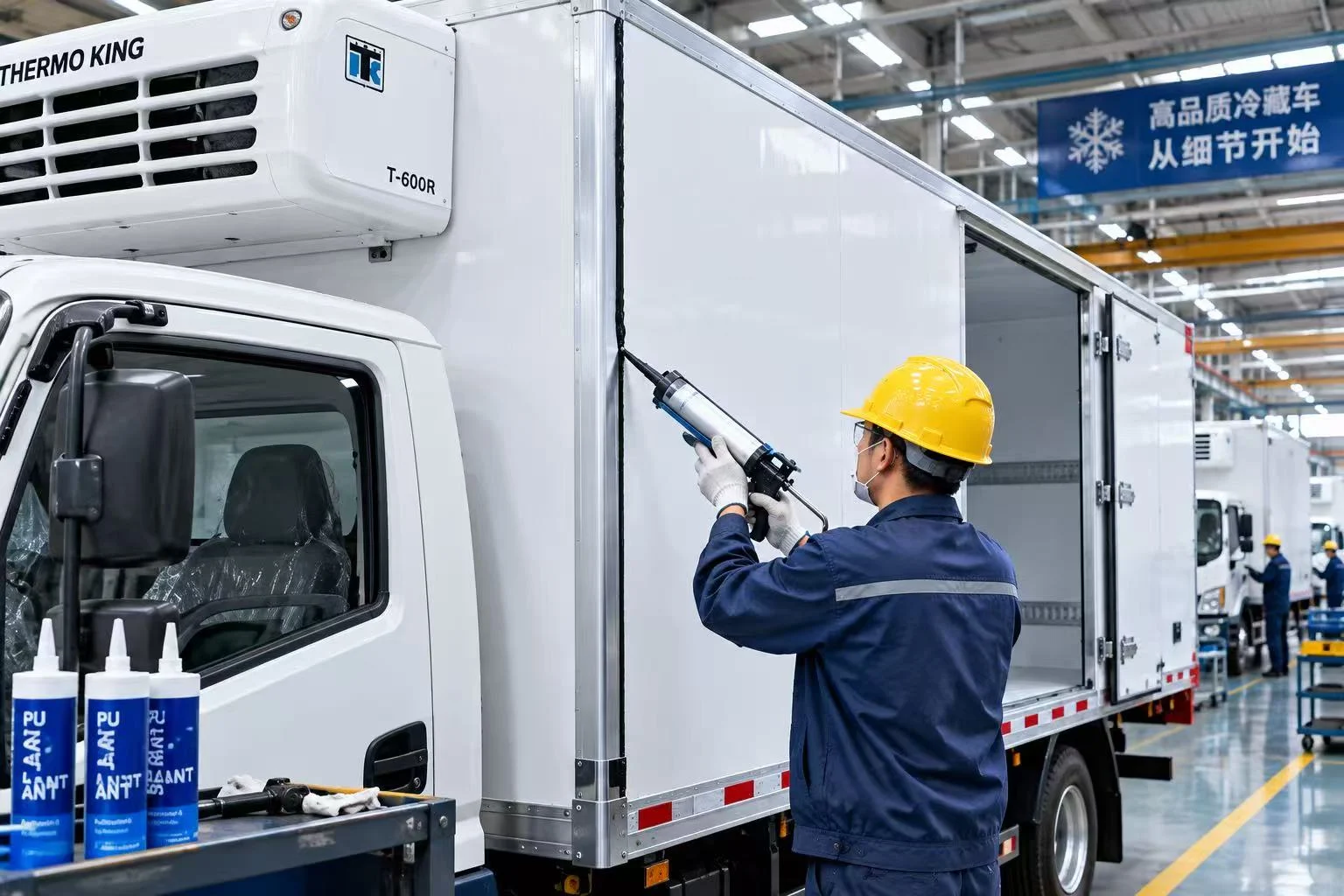
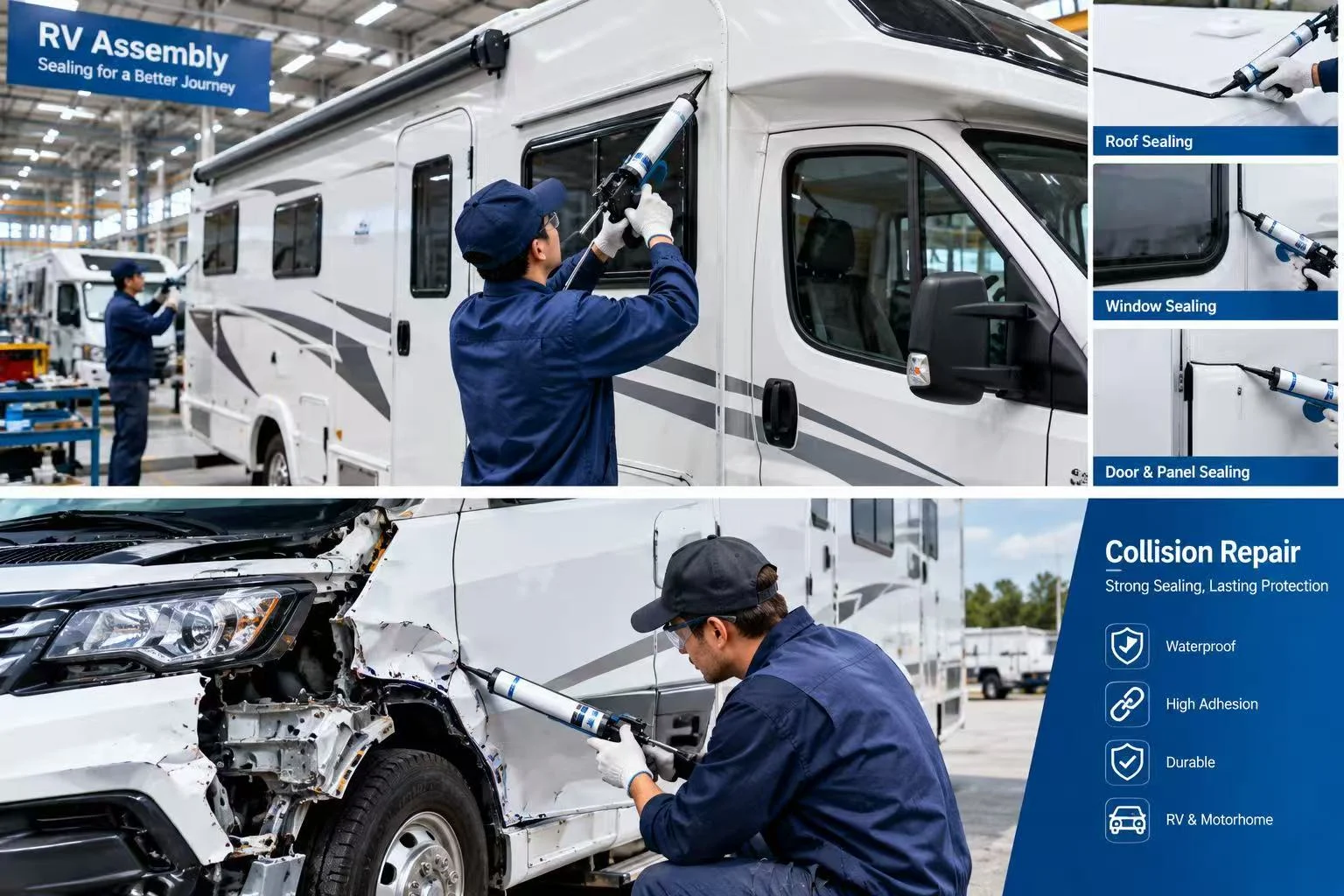
Explore MS polymer sealant applications for automotive body seams, panel bonding, refrigerated truck assembly and caravan repair.
Frequently asked questions
What is MS polymer sealant used for?
MS polymer sealant is used for flexible bonding and joint sealing. Vehicle body seams, panel joints and assembly work are common applications. Select the grade for the actual substrates and joint movement.
Can MS polymer sealant be painted?
Many MS polymer sealants accept paint, unlike conventional silicone. Test the selected paint and sealant together, and follow the grade-specific painting interval. A paint film may crack if it cannot accommodate joint movement.
What is the difference between MS polymer sealant and silicone?
MS polymer and silicone use different polymer chemistries. Paintability is a frequent selection factor: MS formulations are often paintable, while conventional silicone generally is not. Choose by substrate, exposure and finishing requirements.
How long does MS polymer sealant take to cure?
Moisture-curing MS formulations cure according to humidity, temperature and bead thickness. Surface skinning does not mean the joint is fully cured. Use the selected grade’s technical data to determine handling and service time.
Does MS polymer sealant need a primer?
Primer requirements depend on the substrate, coating and service conditions. Start with sound, clean surfaces and test adhesion on the actual materials. Confirm any cleaner, activator or primer with the selected sealant grade.