Products / Two-Component Polyurethane Sealant
Zibo Changheng Co., Ltd.
Two-Component Polyurethane Sealant
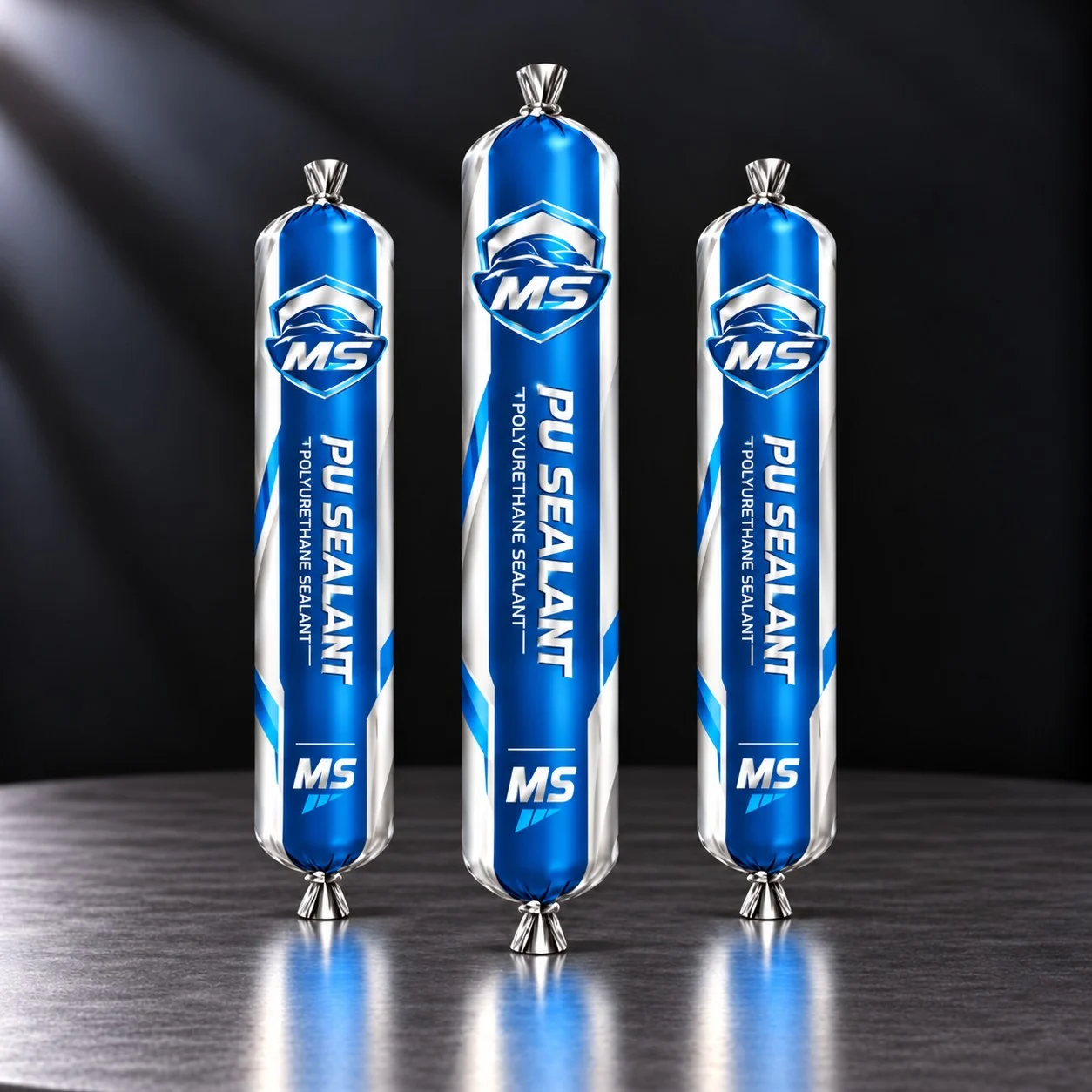
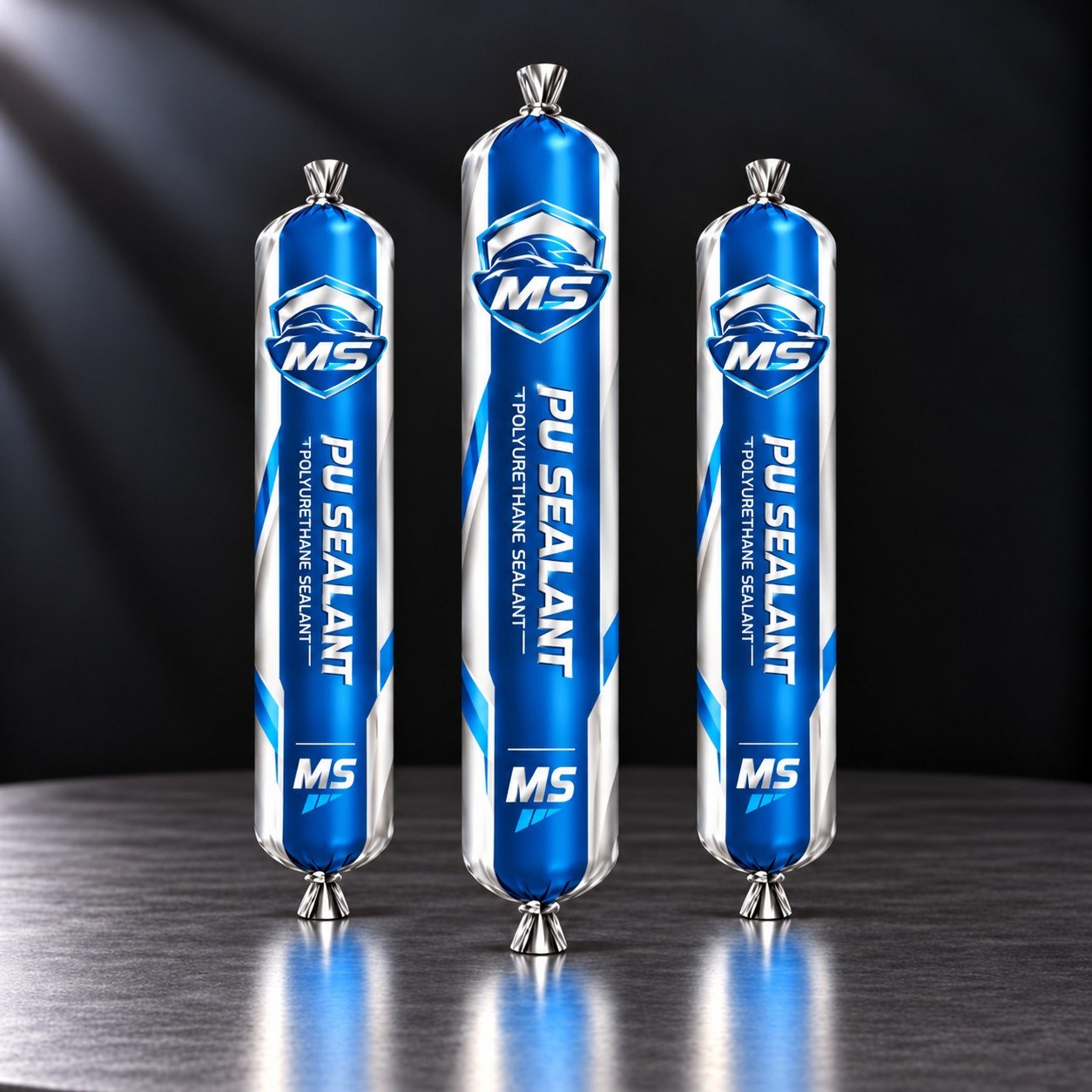
Two-component polyurethane sealant consists of Part A & Part B, mixed before application. It provides high strength structural sealing, excellent elasticity and great dynamic joint adaptability. Suitable for large engineering joints and heavy-duty automotive sealing scenarios. Fast curing speed after mixing, strong water & corrosion resistance.
Product overview
Two-component polyurethane sealant consists of Part A and Part B, mixed before application. It is used for flexible joint sealing in engineering and heavy-duty automotive applications.
Key features
- Two-component material mixed before use
- Elastic joint sealing
- Metal and painted-surface applications
- Suitable for discussion around movement and vibration
Application areas
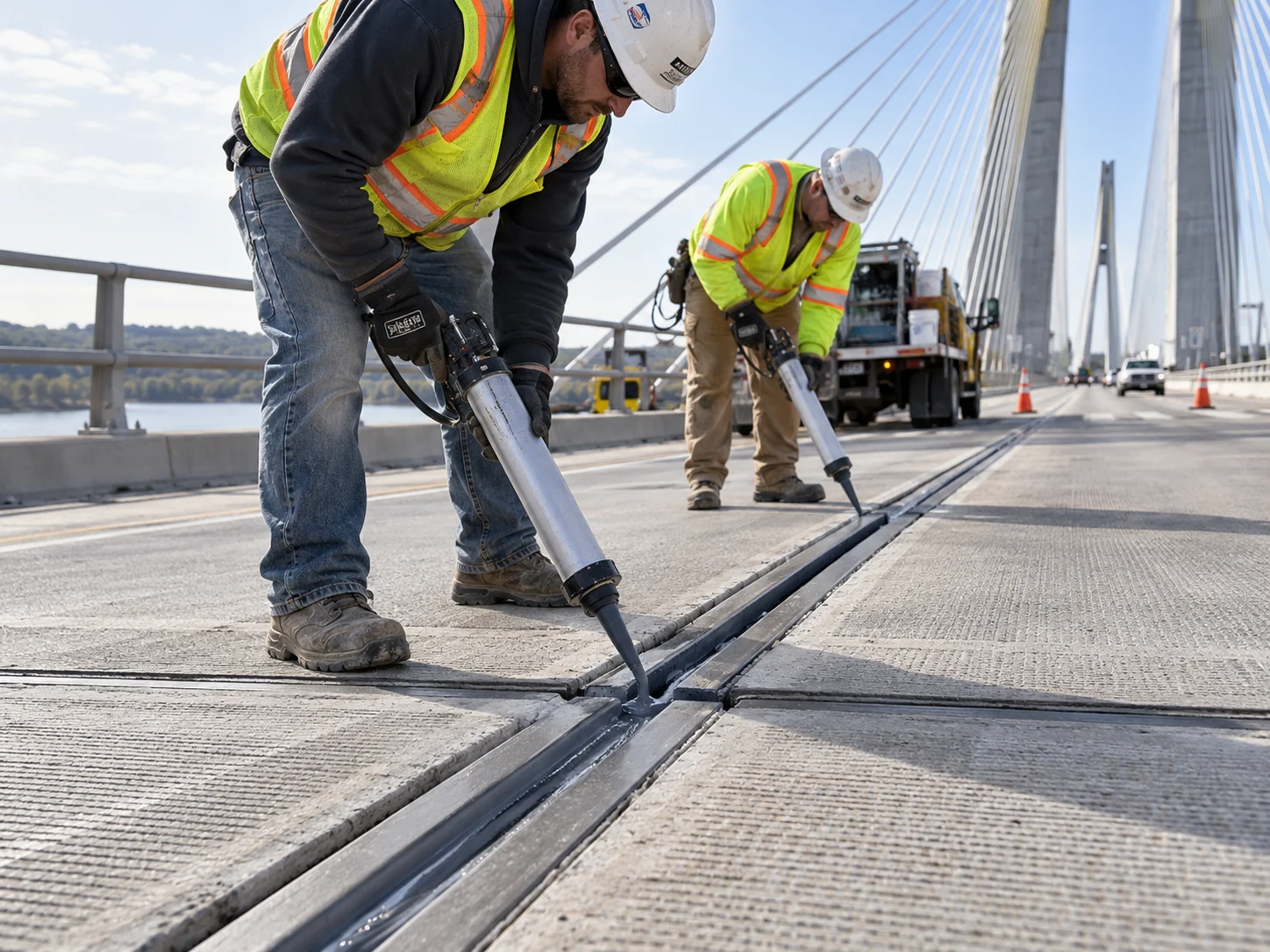
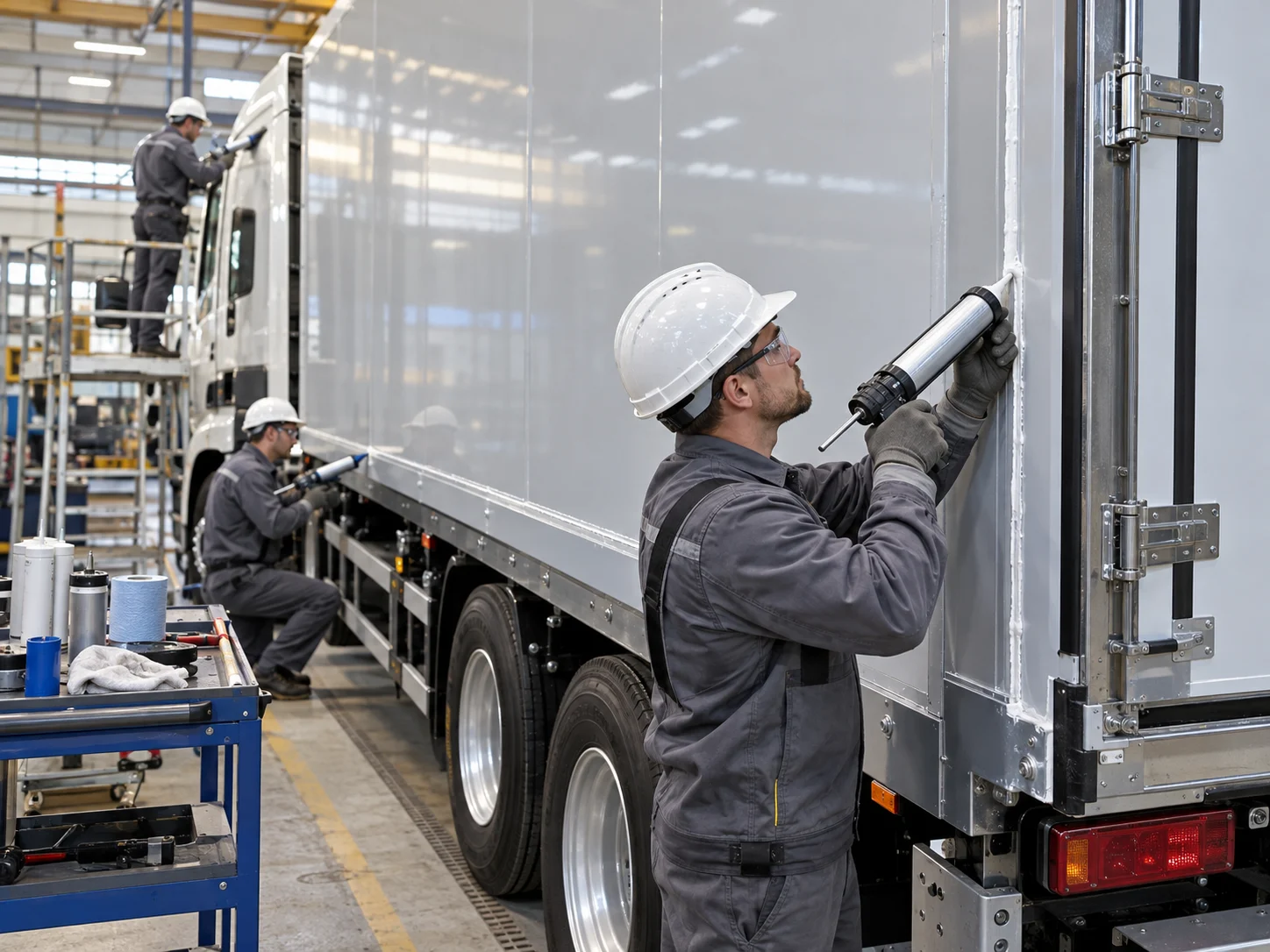
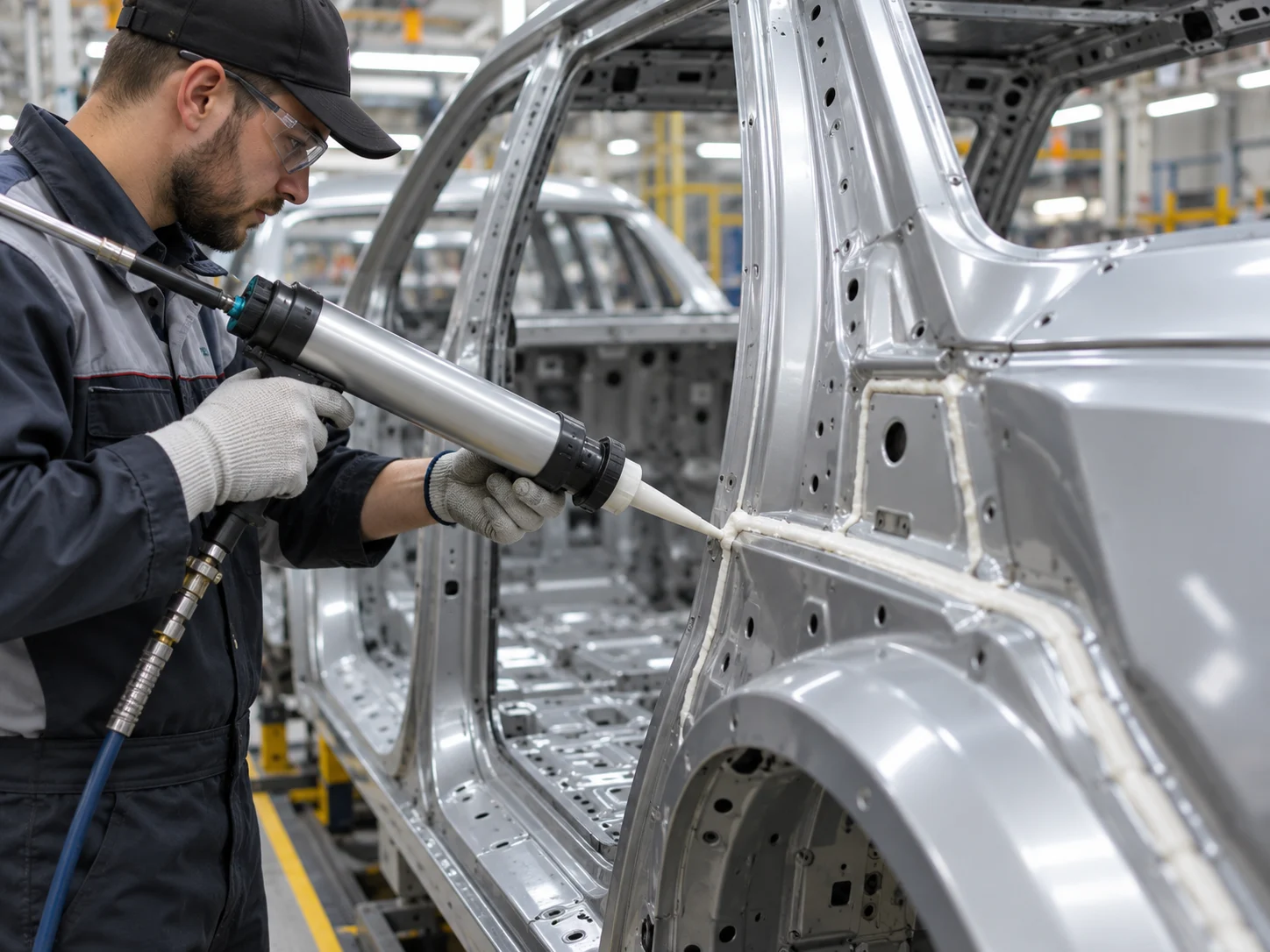
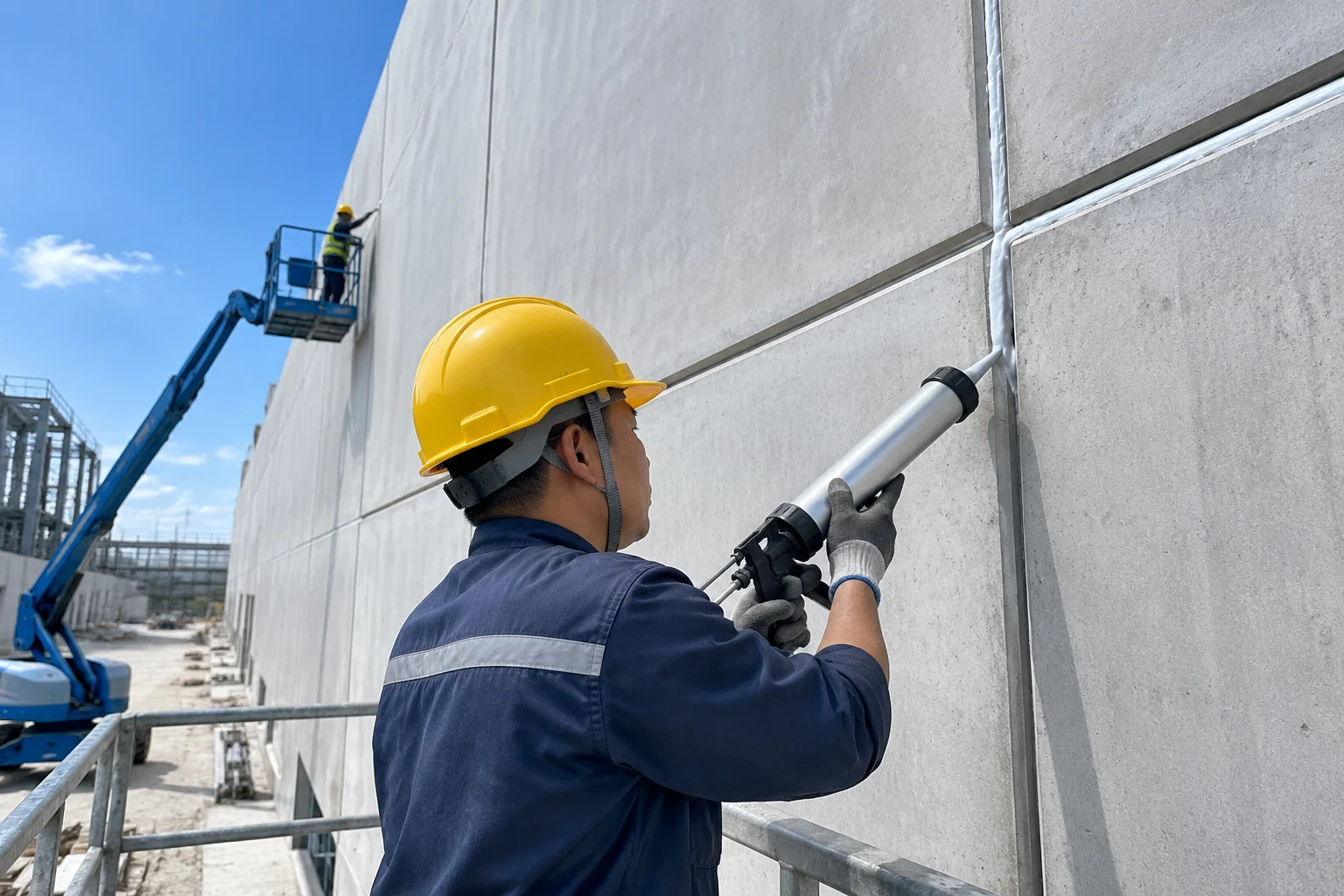
Explore two-component polyurethane sealant applications for bridge expansion joints, heavy truck bodies, vehicle body joints and large joint waterproofing.
Frequently asked questions
What is two-component polyurethane sealant?
Two-component polyurethane sealant uses a base and a curing component that react after mixing. It is selected for engineered joints where the formulation and application process are matched to the substrates and service requirements.
How is two-component polyurethane sealant different from one-component polyurethane?
One-component moisture-curing polyurethane relies on environmental moisture. A two-component system starts its curing reaction when its components are mixed. Mixing accuracy and the available working time are therefore important application controls.
What is the mixing ratio for two-component polyurethane sealant?
The ratio is product-specific and may be stated by mass or volume. Use the matched components and the supplier’s specified ratio. Do not guess a ratio or add extra hardener to change cure speed.
What does pot life mean for two-component polyurethane sealant?
Pot life is the usable working period after mixing under stated conditions. Temperature and mixed quantity can affect it. Apply within the selected grade’s limit and do not thin material that has started to cure.
Why is two-component polyurethane sealant not curing properly?
Possible causes include an incorrect ratio, incomplete mixing, unsuitable conditions or expired material. Check the batch, mixing records and technical instructions. Keep the joint out of service until cure and adhesion have been assessed.